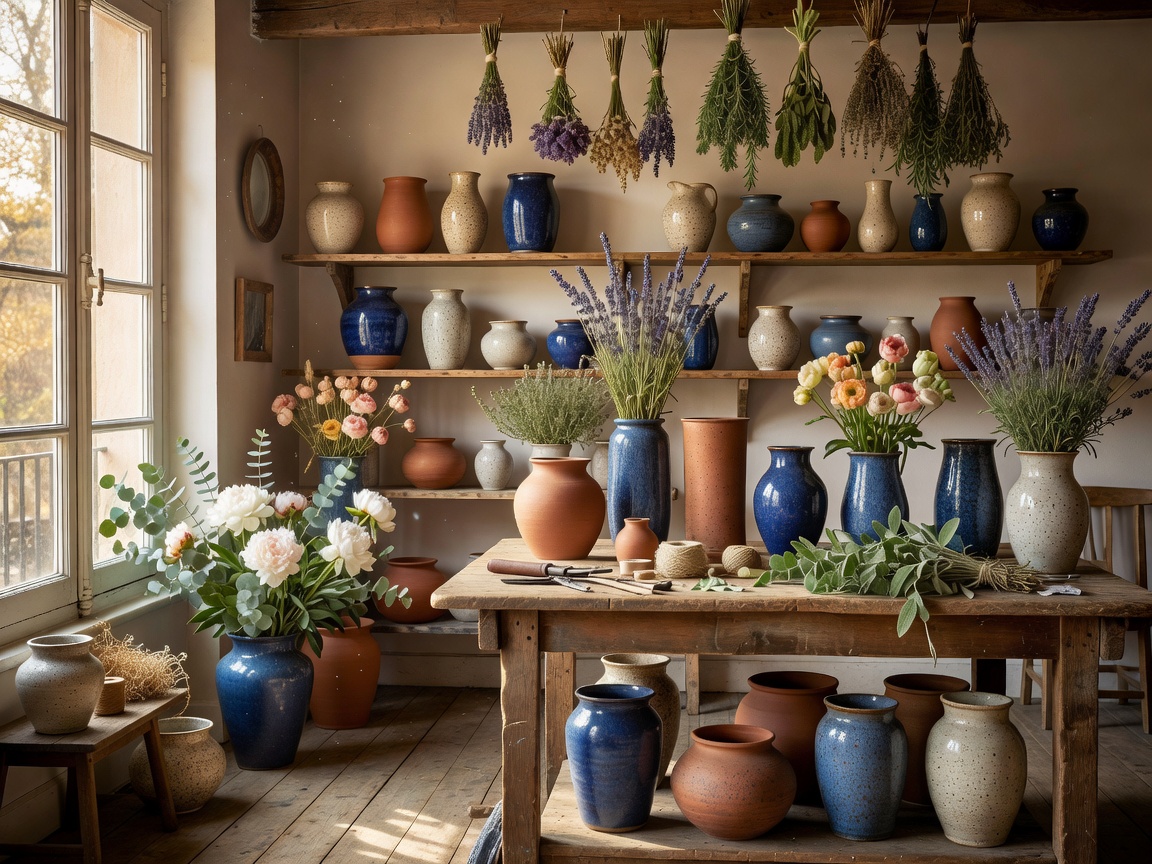
The Atelier Philosophy: Flowers as Sculptural Medium
While street market kiosks focus on fresh daily utility, Paris's botanical ateliers operate more like fine art galleries. Founded by trained horticulturists, architects, and former fashion scenographers, these spaces treat floral stems not merely as decoration, but as transient living sculpture. Within these spaces, you rarely see rigid symmetry; instead, compositions follow the natural curvature of botanical stems, emphasizing imperfect twists, botanical texture, and unexpected foliage pairings.
Key Botanical Destinations Across Quarters
1. The Saint-Germain-des-Prés Traditionalists (6th Arr.)
Along Rue de l'Université and Rue Jacob, discreet boutique florists serve historic publishing houses, diplomat residences, and art galleries. Interiors typically feature black waxed wooden floors, dark moss walls, and antique silver urns holding monumental arrangements of white Casablanca lilies, garden viburnum, and olive branches. The aesthetic is understated, noble, and deeply rooted in classical French grand-manner hospitality.
2. The Canal Saint-Martin Naturalists (10th Arr.)
In contrast to the classical Left Bank, the studios lining the banks of Canal Saint-Martin and Rue des Vinaigriers pioneer modern ecological floristry. Here, arrangements showcase locally harvested wild weeds, seeded grasses, unbleached dried botanicals, and small-batch ceramic vessels created by neighborhood potters. Chemical floral foam is strictly prohibited; florists rely on traditional Japanese kenzan (pin frogs) and recycled wire cages.
3. The Marais Curio Boutiques (3rd & 4th Arr.)
Between Place des Vosges and Rue Charlot, concept florist boutiques pair living botanicals with rare minerals, handcrafted beeswax candles, botanical perfumes, and glass bell jars (cloches) sheltering preserved mosses and carnivorous specimens. These studios recall eighteenth-century cabinets of natural history (cabinets de curiosités).
Comparison: Traditional Parisian Florist vs. Modern Eco-Atelier
| Design Element | Historic Traditionalist Boutique | Contemporary Eco-Atelier |
|---|---|---|
| Vessel Style | Classic French urns, lead planters, Sevres porcelain | Hand-thrown stoneware, raw terracotta, recycled glass |
| Stem Composition | Dense, dome-shaped, formal, opulent roses & lilies | Asymmetrical, dynamic, meadow-like, wild branches |
| Mechanics | Raffia ties, water reservoirs, wire grids | Foam-free, ceramic kenzan frogs, willow armatures |
| Primary Clientele | Grand hotels, couture salons, private salons | Independent editorial studios, eco-conscious patrons |
What to Collect: Botanicals for Travelers
For international visitors who cannot transport fresh living plants through customs, these boutique ateliers offer several enduring alternatives:
- Botanical Still-Life Prints: High-resolution letterpress prints and hand-tinted engravings produced on heavyweight rag paper.
- Herbal Atelier Fragrances: Room mists distilled from fig leaf, French boxwood, blackcurrant bud, and damp soil.
- Handcrafted Florist Tools: Hand-forged carbon-steel floral pruners (sécateurs) paired with vegetable-tanned leather sheaths made in French workshops.