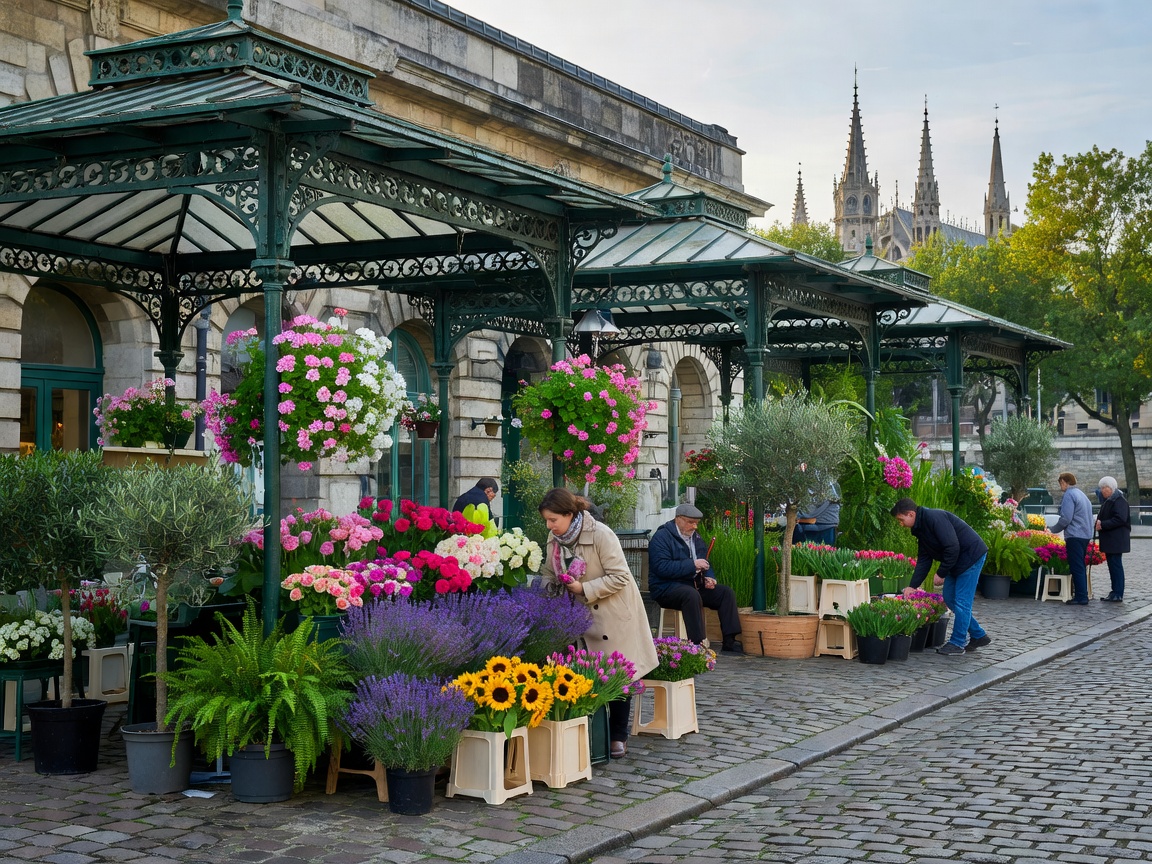
 Chapter 01
Marché aux Fleurs Reine Elizabeth II
Established under Napoleon in 1808, this storied iron pavilion market between Notre-Dame and the Conciergerie remains the emotional and geographical heart of Parisian flower culture.
An authoritative, slow-paced exploration of Île de la Cité's 1808 iron-cast pavillons, Saint-Germain bucket florists, heirloom garden roses, and the quiet artisan studios shaping contemporary French floral design.
From early morning auctions south of Paris to moss-wrapped zinc counters along the Seine, every flower market preserves a two-century dialogue with French horticulture.
Every morning before dawn breaks over Notre-Dame, flat-bed vans navigate the cobblestones of Place Louis-Lépine. By 7:30 a.m., wrought-iron benches are laden with fragrant garden roses from Normandy, deep ranunculus from the Var, and bundles of fragrant eucalyptus. Unlike modern commercial flower hubs, Paris flower stalls retain the tactile elegance of nineteenth-century botanical encyclopedias.
Whether you seek the royal pavilions of Île de la Cité, the produce-flanked floral carts of Rue Cler, or quiet family-run florists of Montmartre, this guide provides meticulous, practical direction for discerning lovers of cut flowers, botanical history, and Parisian market culture.
Each chapter provides deep historical grounding, seasonal calendars, neighborhood walking directions, and practical visiting advice.
Chapter 01
Established under Napoleon in 1808, this storied iron pavilion market between Notre-Dame and the Conciergerie remains the emotional and geographical heart of Parisian flower culture.
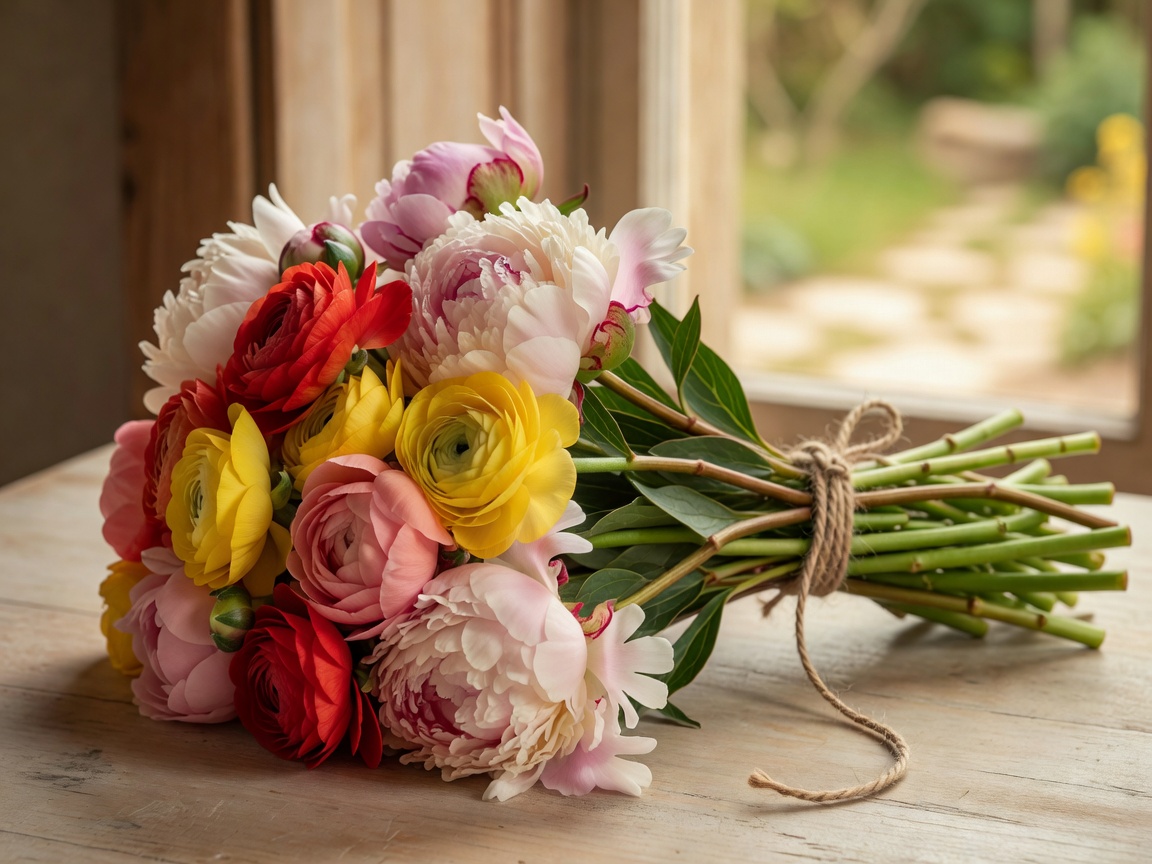 Chapter 02
A month-by-month itinerary for French-grown cut flowers: from early Breton mimosa and Provencal anemones to summer heritage garden roses and autumn chrysanthemums.
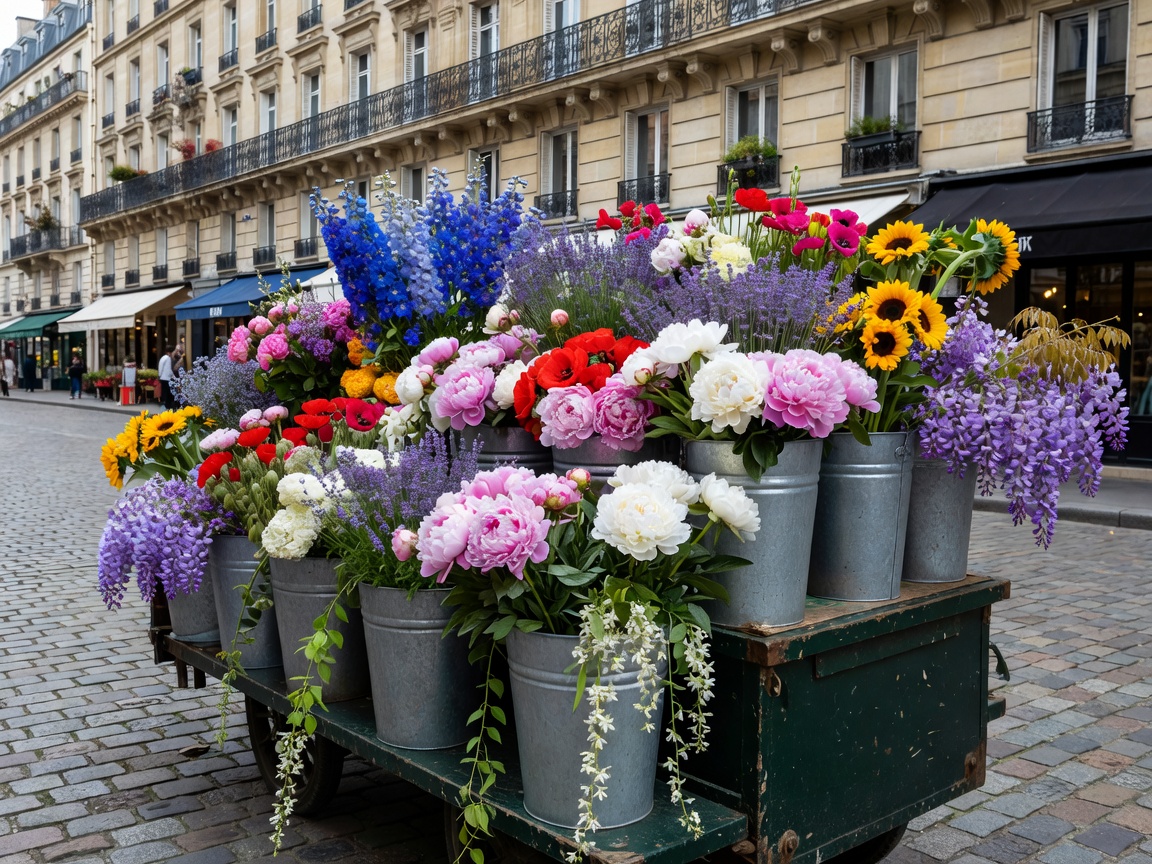 Chapter 03
Discover cobblestone pedestrian avenues where florist displays spill into the open air alongside boulangeries and cheese shops: Rue Cler, Rue Montorgueil, and Rue Daguerre.
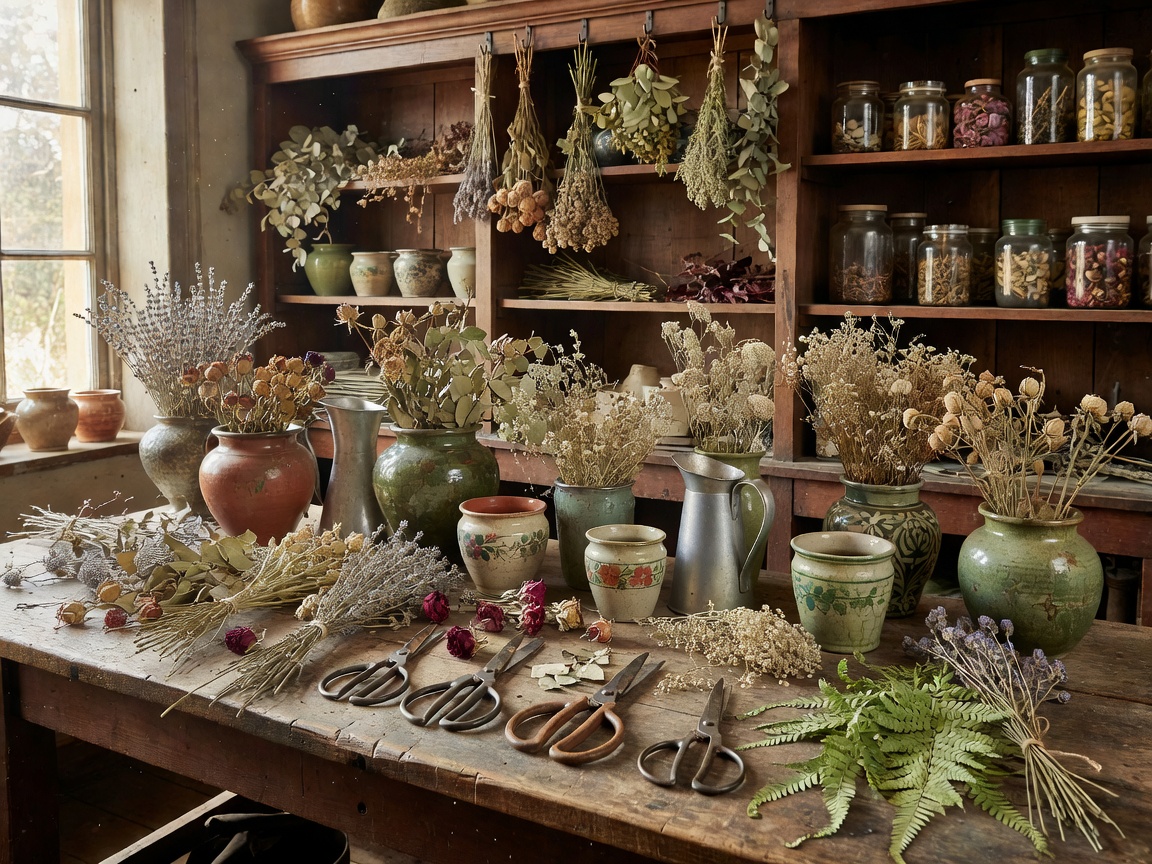 Chapter 04
An insider survey of poetic florist workshops combining rare terrariums, sculptural greenery, vintage earthenware, and dramatic botanical styling inspired by French still-life painting.
 Chapter 05
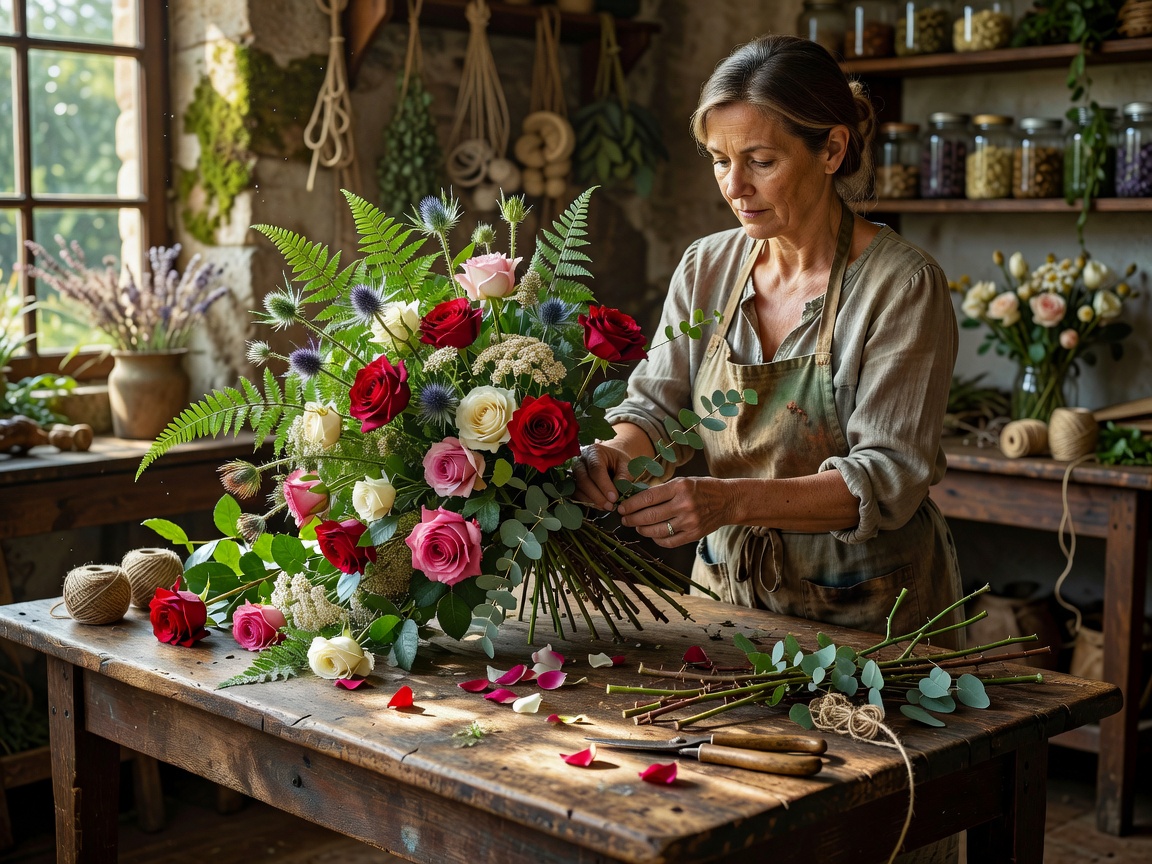
Learn the French spiral stem technique, seasonal bouquet assembly, and early dawn market tours conducted by veteran master florists in courtyard ateliers.
Buying cut stems in Paris is an enduring neighborhood ritual. Rather than self-serve cellophane bundles common in suburban supermarkets, Parisian stalls rely on personal conversation with the fleuriste. Here are three time-honored traditions observed across Paris markets: